
34 minutes | Wednesday, 29 July 2026
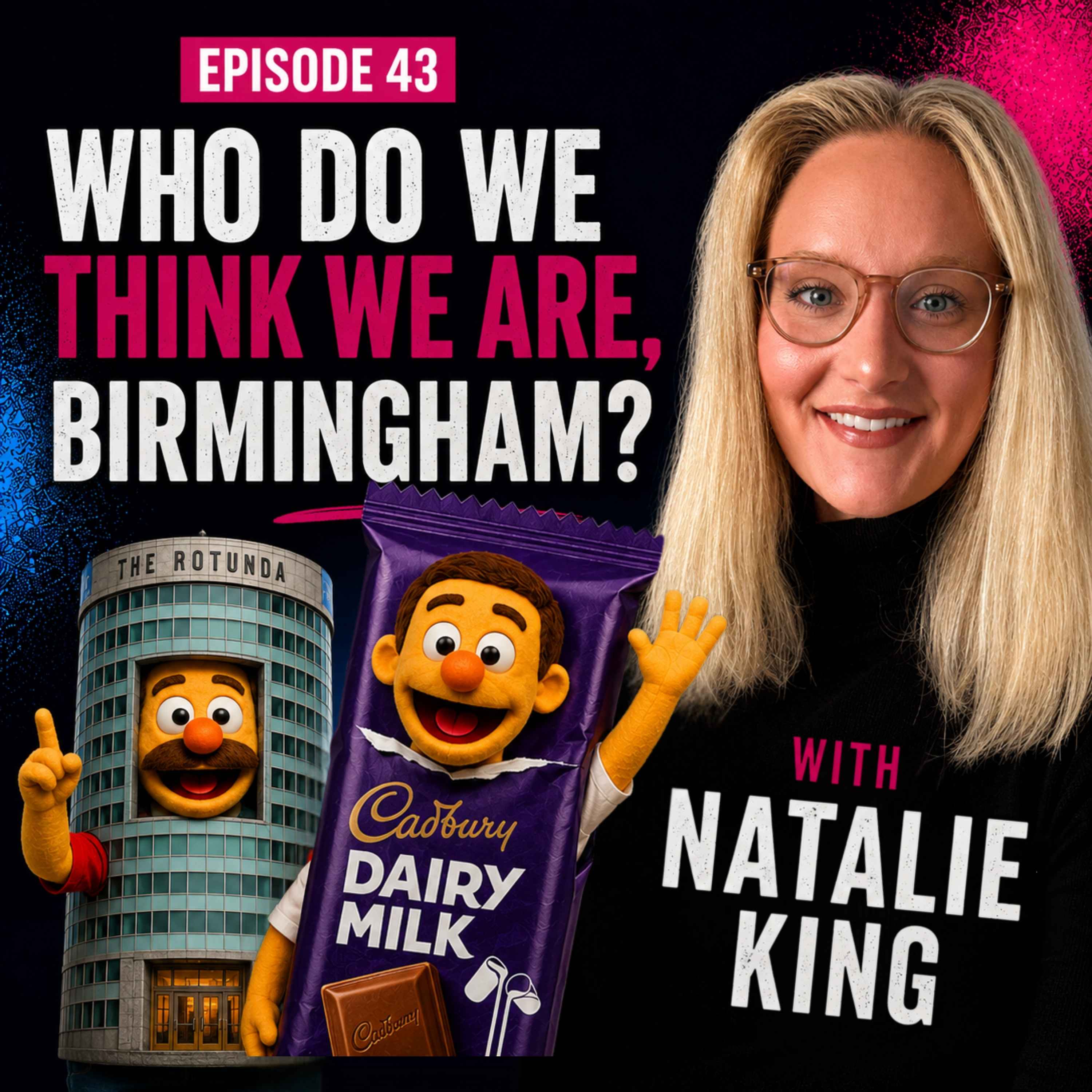
What kind of Birmingham do we want to be living in 20 years from now - and are we backing ourselves strongly enough to create it?In Episode 43 of Wit + Grit we are joined by Natalie King for a wide-ranging conversation about Birmingham’s identity, investment, talent and future.Natalie explains why successful city-building cannot be measured only by attracting major businesses. The strongest cities also protect their culture, character and sense of place - creating somewhere people genuinely want to live, work and spend time.She reflects on beginning her career with Marketing Birmingham, turning an internship into a permanent role within two weeks, and the energy, curiosity and willingness to get involved that helped shape her career.The conversation also explores personal branding, confidence, vulnerability, coaching and the importance of bringing young people into rooms where decisions are made. Natalie argues that listening is not enough: young people need access, ownership and genuine opportunities to influence what happens next.From AI and psychological safety to civic pride and the future of Birmingham, this is a hopeful conversation about backing talent, asking better questions and creating a city that is ambitious without losing its heart and soul.Key takeawaysBirmingham has the track record to win major investment, but the type of investment matters as much as the amount.Culture, talent, hospitality and quality of life are central to attracting people and businesses.Cities should be designed around the lives people want to lead - not simply around buildings and corporate investment.Confidence grows when people repeatedly prove to themselves that they can do difficult things.Personal branding is really about understanding what opportunities people should immediately associate with you.Young people often underestimate the value of their perspective and the power of asking good questions.Bringing emerging talent into important rooms creates learning, confidence and better decision-making.Inclusion means giving younger colleagues ownership - not inviting them merely to observe or take notes.Vulnerability and honest conversations help create psychological safety at work.AI is most effective when it supports, rather than replaces, human judgement, empathy and connection.Birmingham needs to stop retreating into self-deprecation and become more confident in telling its own story.Mentors and coaches help people identify possibilities they cannot see while immersed in day-to-day work.The Birmingham of 2035 should be better connected, less car-dependent and full of meaningful opportunities for local talent.If we want young people to shape the future, we must give them access, platforms and the power to influence real decisions.Chapters List00:00 Birmingham's Investment Potential01:48 Natalie's Journey into the Workforce08:11 The Importance of Personal Branding11:01 Encouraging Young Voices14:04 Navigating Challenges in a New Role16:59 Creating Inclusive Spaces for Young People19:11 Empowering Others Through Sponsorship20:11 The Role of AI in Business21:27 Youth Perspectives on Urban Development22:53 Bridging the Gap Between Generations24:16 Birmingham's Brand and Identity26:08 The Importance of Mentoring and Coaching27:32 Envisioning Birmingham in 203529:09 Reflections on Leadership and Community