
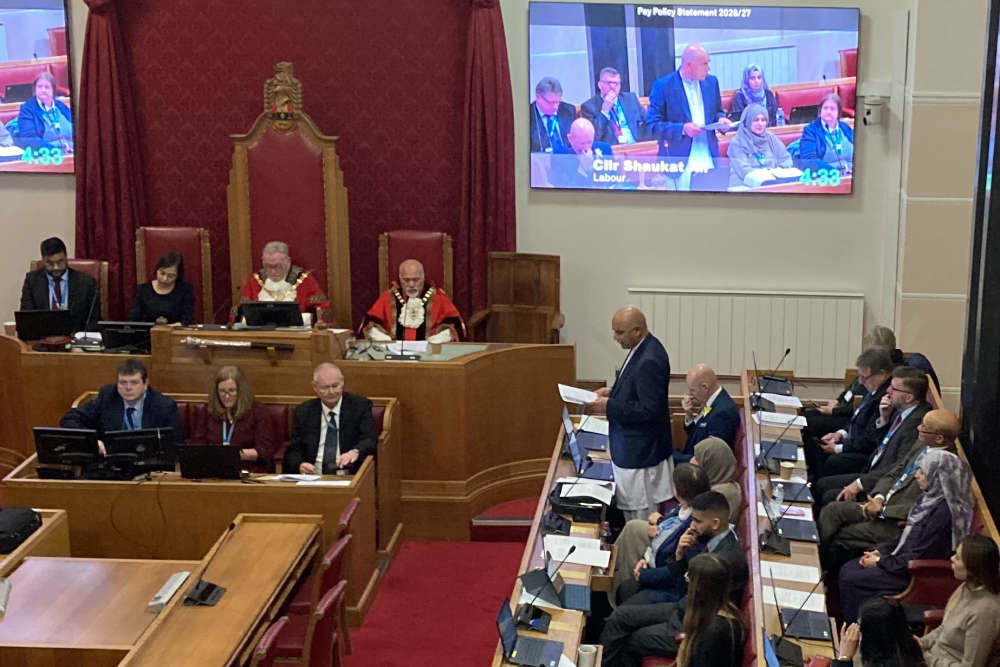
Dudley Council approved its pay policy for the coming financial year despite being told of residents’ anger over executive wages.
At a meeting of full council on March 2, elected members approved the Pay Policy Statement for 2026/27 which includes an increase to the chief executive’s salary to just above £200,000.
News of the pay rise sparked hundreds of comments on social media from members of the public which Dudley Labour’s deputy leader, Cllr Shaukat Ali, said demonstrated council taxpayers expect to see results.
Cllr Ali said: “That figure is higher than the Prime Minister’s, there are not mild frustrations but reflect genuine rage.
“Residents are not naive, they understand leading a large organisation like Dudley Council commands a high salary.
“They also accept the chief executive’s salary is broadly comparable with councils of similar size but the question they are asking is; what are they getting for it – is the level of salary justifiable?
“They see crime and antisocial behaviour rising, they see our town centres struggling and children’s and adult social care services under pressure.”
Cllr Ali added the chief executive is responsible for turning policy into performance and until residents see results their anger will not subside.
Dudley Council leader, Cllr Patrick Harley, came to the defence of chief executive Balvinder Heran, who he said had rebuilt the council’s senior management team and ‘transformed’ the authority’s financial outlook.
Cllr Harley said: “Under this chief executive and senior team we have steered away from any additional support and larger than expected council tax increases.
“The change in the senior team has delivered more than a million pounds worth of savings.
“This pay policy reflects a workforce and leadership model that is more efficient, better equipped to deliver and focused on the long-term regeneration of our borough.
“It won’t be cuts that save our financial skins in the future, it will be having a good transformation model that delivers real change and saves lots of money that we can plough back into frontline services.”












Comments
Add a comment