
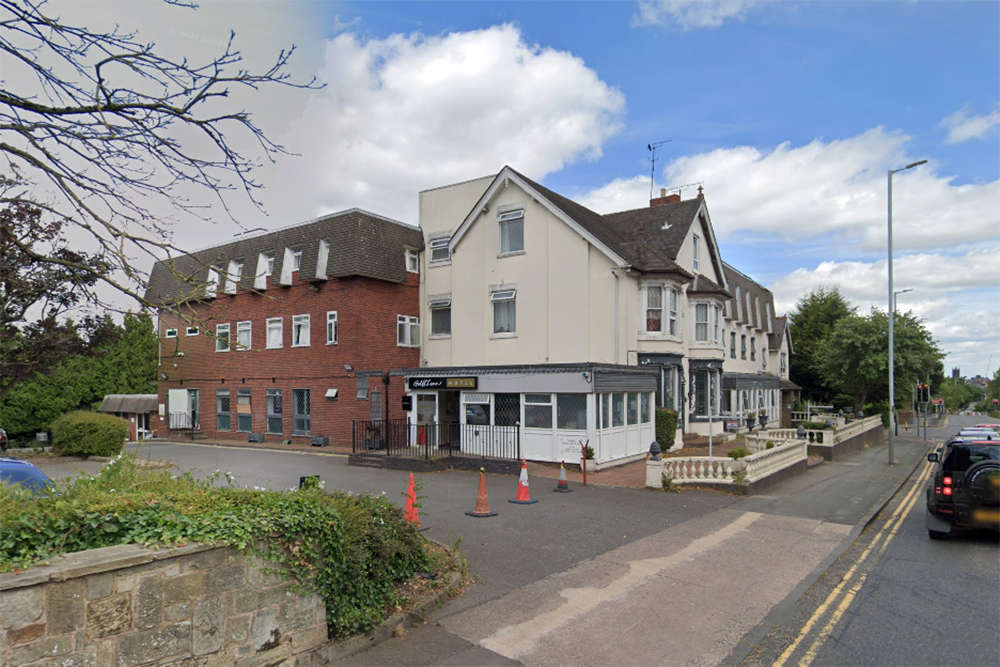
Asylum seekers have been permanently moved out of a hotel in Wolverhampton, as the Government delivers on its pledge to end the use of asylum hotels for good.
The news comes as thirteen more hotels have closed their doors to asylum seekers and been handed back to communities across England, marking another milestone in the government’s drive to end their use for good.
This means the Gold Thorn Hotel in Wolverhampton can now return to business as usual or be transformed for new uses that better serve local communities.
The closure forms part of the Home Secretary’s major plans to restore control to the border and fairness to Britain's immigration system.
Today's announcement follows closely on the heels of 11 asylum hotel closures across the UK in April, including Wolverhampton's Britannia Hotel, and a further 20 in June including Dayz Away Lodge in Wall Heath and The Collection Hotel in Birmingham. This means less than 160 now remain in use and tens of millions of pounds have been saved for taxpayers.
In recent weeks, the Home Office announced discussions have begun to explore the use of three new former MOD sites to house asylum seekers.
Planning permission is currently being sought at MOD Bicester and MOD Barnham, while discussions are underway for MOD Linton-on-Ouse. Together, these new sites could eventually house around 3,750 asylum seekers.
Meanwhile, the Government is seeking to extend the use of existing military sites, including Crowborough until 2030 and Wethersfield beyond 2027.
Immigration Minister, Anna Turley, said: "For too long, communities in the West Midlands have watched hotels at the centre of their towns and cities become symbols of a broken asylum system.
"We are turning that around by ending the use of asylum hotels for good and moving people into larger, basic accommodation like former military sites.
"This Government’s reforms are overhauling the immigration system to restore control at the border, and fairness to our immigration system."
The latest hotel closures are expected to save taxpayers £51 million, bringing the total expected savings from this year's closures to £224 million. This is on top of an almost £1 billion reduction in asylum accommodation costs since the 2024 general election.
This progress stands in stark contrast to the position inherited and the peak of 2023 when 400 asylum hotels were in use at a staggering cost of £9 million a day.
From today, a new 24-week target for deciding asylum and immigration appeals will come into force for those in accommodation and foreign national offenders, slashing the current average wait of 67 weeks.
The measure will cut delays, speed up case resolution and removals, and move people through the system faster, reducing the time spent in taxpayer-funded accommodation and driving down costs for the taxpayer.












Comments
Add a comment