
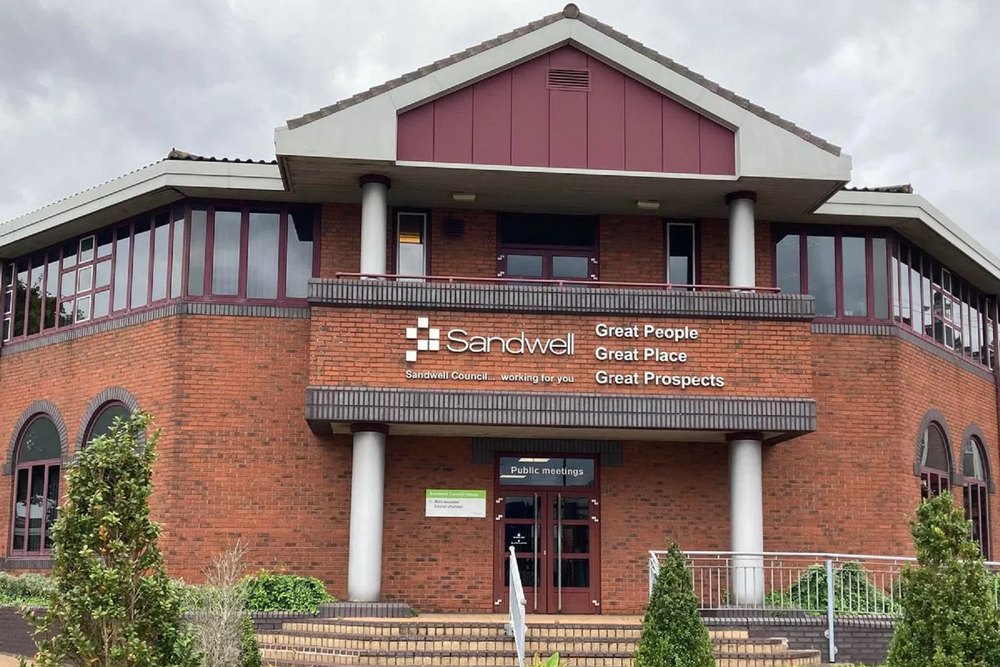
A new rule which requires all HMOs in the borough to have planning permission has been approved by Reform-led Sandwell Council.
Under existing rules, homes across Sandwell can be converted into a ‘small’ house of multiple occupation (HMO) – shared housing between three and six people – under permitted development rights and without first obtaining planning permission.
The article 4 direction, which has been backed by the new Reform administration at Sandwell Council and comes into immediate effect, means that every application for a house of multiple occupation (HMO) will now be forced to go through the local authority’s planning process to acquire approval.
The tighter restrictions have been brought in over concerns about the number and concentration of HMOs in the borough as well as concerns over parking, litter, crime and anti-social behaviour, changes to character of neighbourhoods and the loss of family housing.
The new rules do not ban HMOs in Sandwell and do not apply to existing HMOs.
Sandwell Council becomes the last local authority in the region to enact its article 4 rights with neighbouring Dudley, Wolverhampton, Walsall and Birmingham councils already having the rules in place.
The plans were approved by Sandwell Council’s cabinet at a meeting on Wednesday (October 14).
Cllr Ray Nock, the Reform UK leader of Sandwell Council, said: “I’d just like to reiterate that we’ve had lots and lots of lots of representations from all over the borough on this subject.
“Sadly, Labour did nothing except follow our lead and jump on behind us.
“We believe that democracy is paramount. Be it housing or road safety, and this is what the people want and this is what we are implementing.”
A report, discussed by the cabinet, said: “There has been increasing concern from residents and elected members regarding the growth in the number of houses in multiple occupation (HMOs) across Sandwell and the impact that concentrations of HMOs can have on local communities.
“Concerns raised include pressure on parking, waste management, anti-social behaviour, changes to neighbourhood character and the loss of family housing.
“Whilst HMOs provide an important source of accommodation and form part of a balanced housing market, the council considers it appropriate that future proposals for additional HMOs should be subject to planning control.”
Sandwell Council admits it does not know the number of HMOs in the borough and instead relies on planning, licensing and council tax records.
The council’s housing stock was last reviewed in 2018 and estimated there being more than 4,200 HMOs in the borough.
The evidence in support of the article 4 direction submitted by the council estimated the number of HMOs in Sandwell to be around 3,700. Of those, just 600 are currently regulated through the council’s planning or licensing schemes.
Planning permission is already required from the council for HMOs with seven or more people.
Additional licensing rules were approved by the previous Labour administration – which required all HMOs to obtain a licence to open – but the article 4 direction was never enacted.
The borough’s local plan – the development blueprint which is finally expected to be adopted in December after years of delays – includes new rules which would block new applications if it resulted in more than 10% of homes within 100 metres being HMOs.
Recently updated national planning rules – otherwise known as the national planning policy framework (NPPF) – do not contain specific rules on HMOs but stresses the need to support “strong, vibrant and healthy communities, including ensuring that a sufficient range and mix of housing is provided to meet the needs of different groups in the community.”
It goes on to say that article 4 directions should be “limited to situations where it is necessary to protect local amenity or the wellbeing of the area, preventing an over-concentration of uses which could affect the quality of life, or supporting the vitality and viability of parts of town centres.”
The direction should also be based on “robust evidence” and “apply to the smallest area required to mitigate the evidenced harm.”
Reform UK has also vowed to declare a ‘housing emergency’ in Sandwell to battle the ever-increasing wait for a council home.
The borough’s council housing waiting list increased from 6,000 in 2020 to more than 24,000 people last year.
Based on current figures, the council’s waiting list is predicted to reach 35,000 by 2030 and would take 27 years to clear if no action is taken.
Last month, councillors were told half of the 26,000 homes needed in Sandwell by 2041 could not be built even if every piece of available land in the borough was used because it only has enough space for just 11,900 homes.
By Christian Barnett | Local Democracy Reporting Service
 Reform accused of ‘hijacking Christmas’ in fall out over light switch on event
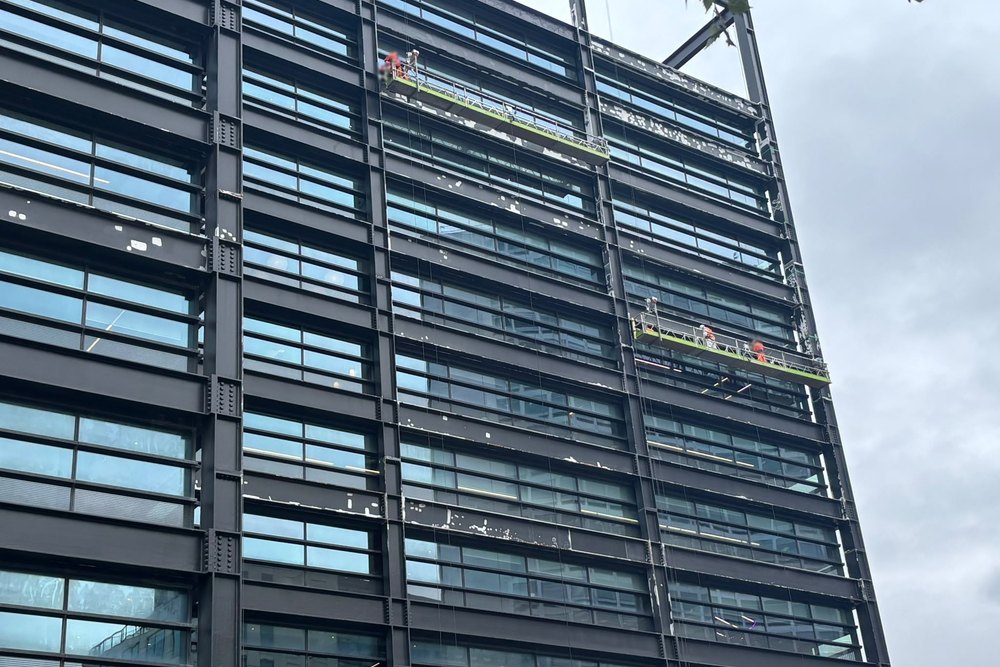 Works to improve Paradise building’s appearance
 50,000 residents affected by bin change blunder
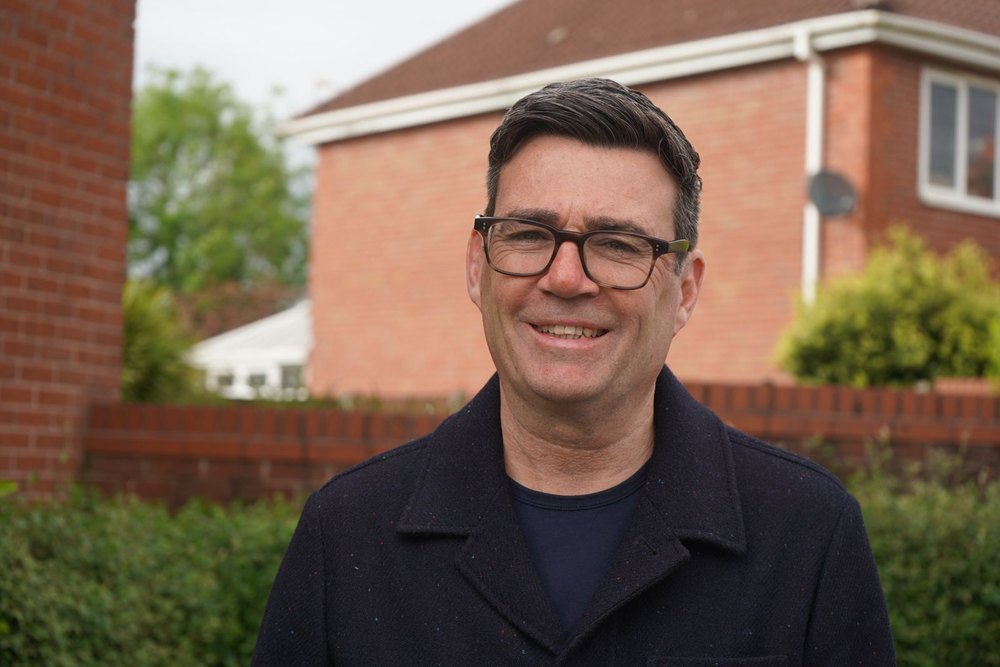 Andy Burnham dementia pledge welcomed
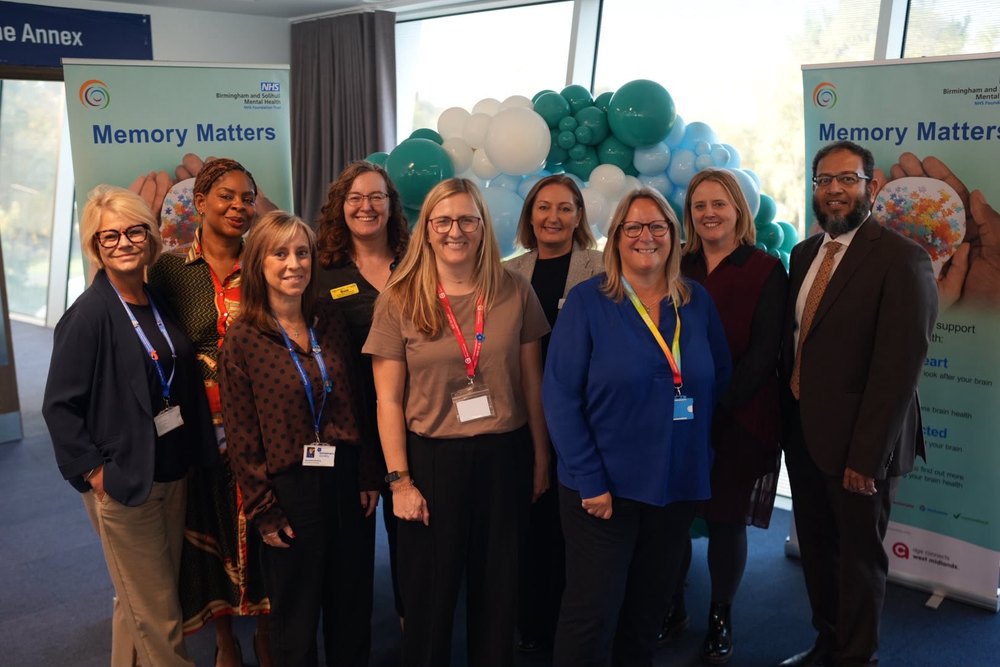 Dementia pilot helps cut waiting times